Save 20% on hearing aids today
Understanding Auditory Processing
We specialize in thorough auditory processing disorder testing to help you or your loved ones find clarity and support.
Accurate testing changed everything.
"
Auditory Processing Disorder (APD) refers to how your brain interprets and recognizes sounds. If this process is disrupted in some way, an auditory processing disorder, or APD, may be responsible. Auditory Processing Disorders impact your brain's ability to properly interpret or process sound. If you have already gone through testing for other types of hearing loss or disorders and are still having difficulty with your hearing, you may need an APD test to help diagnose why you are able to hear effectively but still not processing the auditory information correctly. How do we test for auditory processing disorders?
A few of the most common characteristics and signs include:
Distracted by background noises
Asking frequently for repetition
Difficulty following directions
Problems with distinguishing sounds
Inability to listen to auditory stimuli for long
Quickly forgetting what was said
Frustration with learning
Easily distracted or frustrated with too much noise
Appearing to not listen or daydream
FAQs
What is APD?
Auditory Processing Disorder affects how the brain interprets sounds, not hearing itself.
Who needs testing?
Children or adults struggling to understand speech, especially in noisy places, may benefit.
How is testing done?
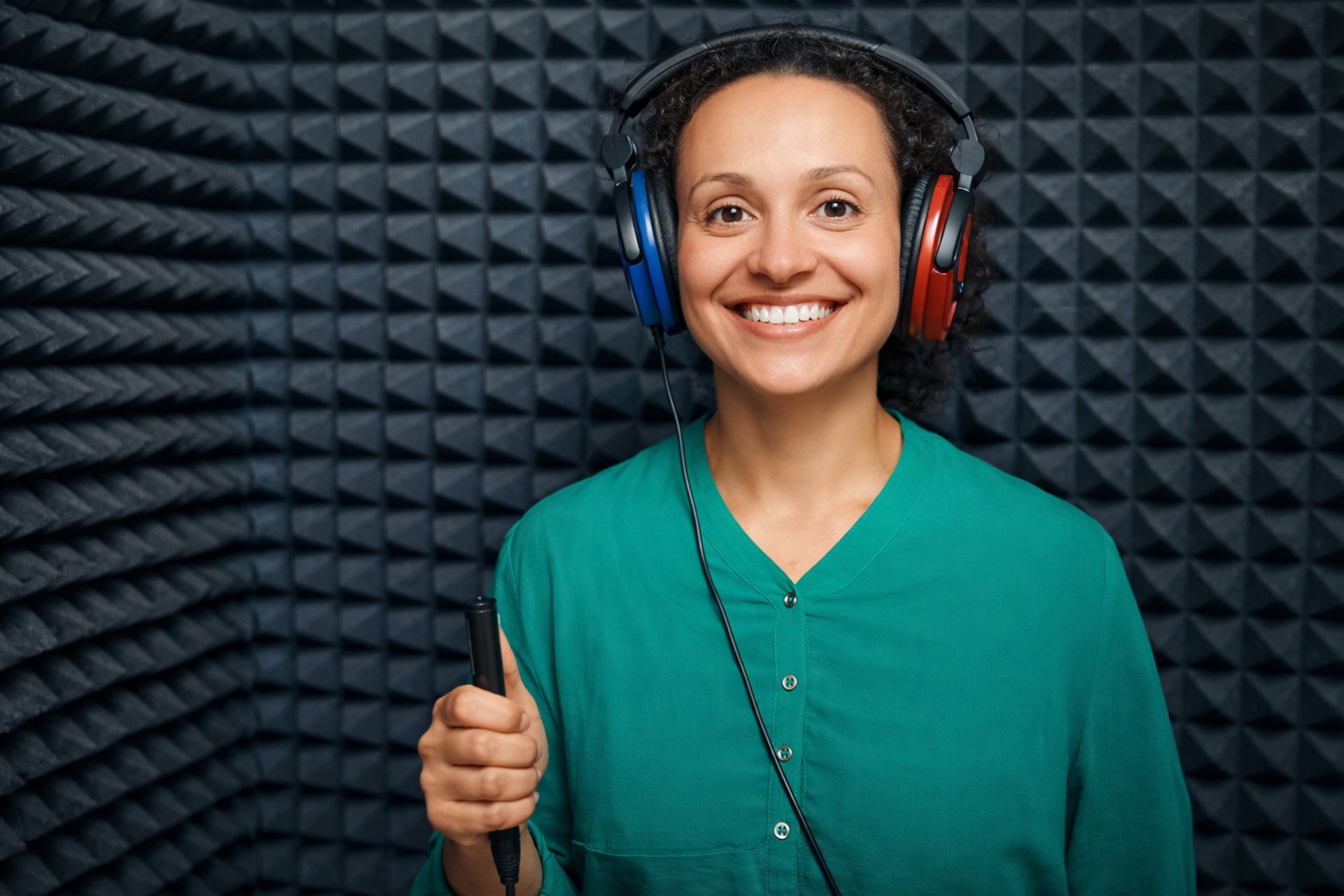
Testing involves a series of listening tasks in a quiet room to evaluate different auditory skills.
Is hearing test required?
Yes, a hearing test ensures hearing loss isn’t causing the difficulties.
How long does testing take?
Testing usually takes about one to two hours, depending on individual needs.
What happens after testing?
Results guide personalized strategies or therapies to help manage auditory processing challenges.
Our Services
Comprehensive auditory processing disorder testing tailored to your needs.
Assessment
Detailed evaluation of how your brain processes sounds in different environments.


Diagnosis
Accurate identification of auditory processing challenges through specialized tests.
Personalized feedback and next steps to support your auditory health journey.
Support


The testing helped my child understand sounds better and improved school focus.
Sarah . B


★★★★★
Contact
We're here to help you hear better.
Phone
anewhearing.sw@gmail.com
(910)353-4327
FAX-910-238-4004